

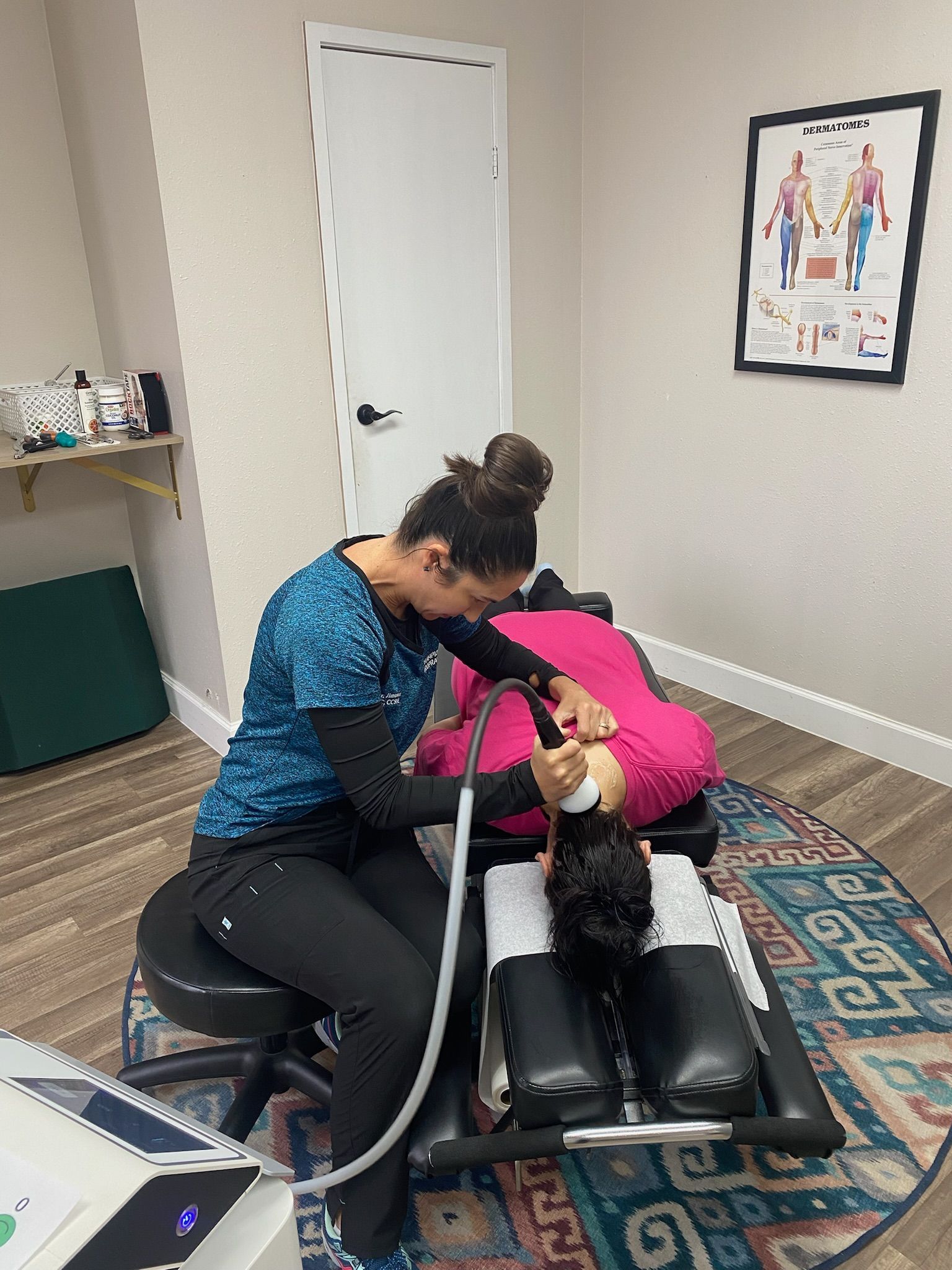
When headaches keep coming back, the most helpful next step is often finding and fixing the pattern behind them.
Headache relief is one of the most common reasons people walk into our clinic, and it is rarely just about “a headache.” In Pasadena, TX, we see busy schedules, long commutes, desk work, physically demanding jobs, and plenty of stress stacked on top of poor sleep. Over time, those factors can turn occasional tension into frequent discomfort that starts to feel normal, which is frustrating.
Many people are also looking for care that supports prevention, not only a quick fix during an attack. In patient surveys, headache prevention is the leading reason people choose chiropractic care, with 92.2 percent seeking care for that goal, and 80.6 percent also looking for help during acute episodes and to reduce headache related work disability. Satisfaction rates are also strong, with 90.3 percent reporting satisfaction or high satisfaction with chiropractic headache management.
If you are considering a Chiropractor for headache support, our goal is to help you understand what may be driving your symptoms and what a realistic plan looks like. That way, you can make a clear, confident decision about next steps.
Why headaches are so common in Pasadena, TX
Headaches are not picky about who gets them. We work with office professionals, refinery and industrial workers, parents carrying kids on one hip, athletes, and students hunched over laptops. Different lifestyles, same theme: the neck and upper back take on more strain than most people realize.
Everyday triggers we see again and again
Headache triggers tend to pile up rather than appear as a single cause. In our experience, the most common contributors include posture habits, repetitive movements, muscle tension, environmental stimuli, insomnia, blood sugar changes, excessive exercise, and old injuries that never fully resolved. Even something as simple as looking down at a phone for hours can leave the upper neck irritated and tight.
A helpful way to think about it is this: the head is heavy, and the neck is the support column. When that support column is under constant stress, it is normal for your body to complain. It just happens to complain in the form of head pain for many people.
What makes headaches “stick around”
When headaches become recurring, the nervous system and surrounding muscles often get into a loop. Tight neck muscles can restrict movement and irritate sensitive structures. Limited mobility can then make posture worse. Stress tends to increase muscle tension, and muscle tension tends to increase headache intensity. Once that cycle sets in, you may start noticing headaches triggered by smaller things than before, like a normal workday or a single night of poor sleep.
How chiropractic care targets headache drivers, not just symptoms
A Chiropractor focuses on how the spine, joints, muscles, and nervous system interact. For many headache patterns, especially tension type headaches and some migraine presentations, the upper cervical spine is an important area to evaluate.
The upper neck connection: C1 and C2
Misalignments or dysfunctional movement in the upper neck, particularly around the C1 and C2 vertebrae, can contribute to nerve irritation and inflammation that radiates toward the base of the skull. This can feel like pressure, tightness, or a band like sensation around the head. It can also show up as reduced range of motion, a stiff neck in the morning, or headaches that start after prolonged sitting.
Our job is to assess whether spinal joint mechanics, posture, and muscle tension are playing a meaningful role in your headache pattern. If so, care is aimed at restoring healthier movement and alignment so the body does not have to compensate as aggressively.
What an adjustment is doing in plain language
When we adjust, we are not “cracking a headache away.” We are helping restore proper motion and alignment in specific spinal segments that are not moving well, moving too much, or being forced into poor positions by posture and muscle imbalance. When spinal alignment and movement improve, nerve irritation can decrease, neck and shoulder tension often eases, and the body can start to regulate stress responses more effectively.
Research supports this general approach. Studies reported in the Journal of Manipulative and Physiological Therapeutics have shown notable decreases in migraine frequency among people receiving chiropractic care compared to non treatment groups, alongside improvements in quality of life and decreased headache related disability. Cervical spine manipulation has also demonstrated significant improvement in headache outcomes for patients who have neck pain alongside headaches.
Why prevention matters more than most people expect
In headache surveys, prevention is the number one reason people seek chiropractic care, and that tracks with what we hear every week. If you only chase symptoms, you can end up stuck reacting to your schedule instead of living it.
Building a plan that reduces frequency over time
Prevention usually comes down to correcting the inputs that keep irritating your system. That may include improving spinal mechanics, strengthening postural muscles, changing workstation setup, and learning which habits consistently trigger your symptoms. Many people feel some relief quickly, but lasting change is usually a process of reducing the “background irritation” that has been building up for months or years.
Stress and the spine: an underrated connection
Stress is a common migraine and tension headache trigger, and it is not only mental. Physical stress shows up as elevated shoulder position, clenched jaw, shallow breathing, and a neck that never truly relaxes. When spinal alignment and motion improve, many patients notice they manage day to day stress better. Not because life suddenly gets easy, but because the body is not constantly bracing.
What to expect when you see a Chiropractor in Pasadena TX for headaches
People often ask what the visit actually looks like, and that is a fair question. Headache care should not feel like guesswork. We take the time to understand your pattern and decide whether chiropractic care fits your case.
Our evaluation approach
We start with your history: when headaches began, how often they occur, what they feel like, what triggers them, and what has or has not helped. We also ask about past injuries, posture habits, sleep, work demands, and stress load. From there, we perform a physical assessment, looking at posture, neck range of motion, muscle tension, and joint function. When appropriate, we may use digital imaging to get a clearer picture of spinal alignment and structure.
This matters because headaches can have multiple drivers, and our goal is to pinpoint the most likely ones in your situation, not just apply a one size approach.
A realistic timeline for relief
Many patients report feeling some relief after the first session, especially when muscular tension is a major factor. For others, improvement is more gradual, particularly if headaches are frequent and posture changes are needed. In general, we set expectations around two tracks:
• Short term: reduce intensity, improve neck mobility, and calm irritated tissues
• Long term: reduce frequency and build resilience through posture and corrective work
We will always talk openly about what we are seeing and what progress should look like, because vague plans do not help anyone.
The care options we may include alongside adjustments
Headache relief tends to improve when we combine hands on care with supportive therapies and practical habit changes. Depending on your findings, we may include a mix of the following to support recovery and prevention:
• Massage therapy to reduce neck and shoulder hypertonicity and improve circulation in tight areas
• Corrective exercises to build endurance in postural muscles and reduce strain during desk work
• Acupuncture to support pain modulation and nervous system regulation for certain headache patterns
• Hot and cold therapy to manage inflammation and muscle tension based on your presentation
• Light therapy when appropriate to support tissue healing and reduce pain sensitivity
• Nutrition counseling and lifestyle guidance to address triggers like hydration, blood sugar swings, and sleep quality
These tools are not about doing everything at once. We use what matches your exam findings and your day to day reality, because your plan has to be doable to be effective.
Why people report high satisfaction with chiropractic headache care
In surveys, 90.3 percent of chiropractic patients report satisfaction or high satisfaction with headache management. We see a few reasons this tends to happen.
First, care often feels personal because it is based on how your body is moving and responding, not just on a symptom label. Second, the prevention focus is empowering. When your headaches start spacing out, you usually sleep better, work more consistently, and feel less guarded in your neck and shoulders. Third, people appreciate a drug free, holistic approach that includes education and self management strategies, not only in office care.
There is also research suggesting higher satisfaction compared to medical care in the short term in certain studies, with 56 percent of chiropractic patients reporting improvement versus 13 percent of medical patients after four weeks. The larger point for you is this: many people feel heard, assessed thoroughly, and given a plan that makes sense.
Practical headache prevention tips we teach Pasadena patients
If headaches are part of your week, small changes can add up quickly. These are simple, but honestly, they are not always easy to remember on a busy Tuesday.
1. Keep screens closer to eye level so your chin is not drifting forward for hours
2. Take 60 second movement breaks every hour to reset neck and shoulder tension
3. Hydrate early in the day, not only at night when the headache shows up
4. Keep a basic trigger log for two weeks to spot patterns in sleep, meals, and stress
5. Train postural endurance with gentle strengthening instead of only stretching tight muscles
If you want help applying these to your workspace, workouts, or daily routine, we walk you through it as part of care. The details matter, like chair height, monitor distance, and even how you hold your phone.
Take the Next Step
If headaches are affecting your work, family time, or just your ability to focus, chiropractic care can be a practical next move, especially when the pattern points to neck tension, posture strain, or upper cervical involvement. We combine targeted assessment, precise adjustments, and supportive therapies so you are not left guessing about what is driving your symptoms.
Our team at Champion Chiropractic of Pasadena focuses on both relief and prevention, because fewer headache days over the next few months is usually the goal that changes quality of life. If you are looking for a Chiropractor in Pasadena TX who will take your history seriously and build a plan you can follow, we are ready to help.
Take what you learned here and start improving your health by scheduling a visit at Champion Chiropractic of Pasadena.