

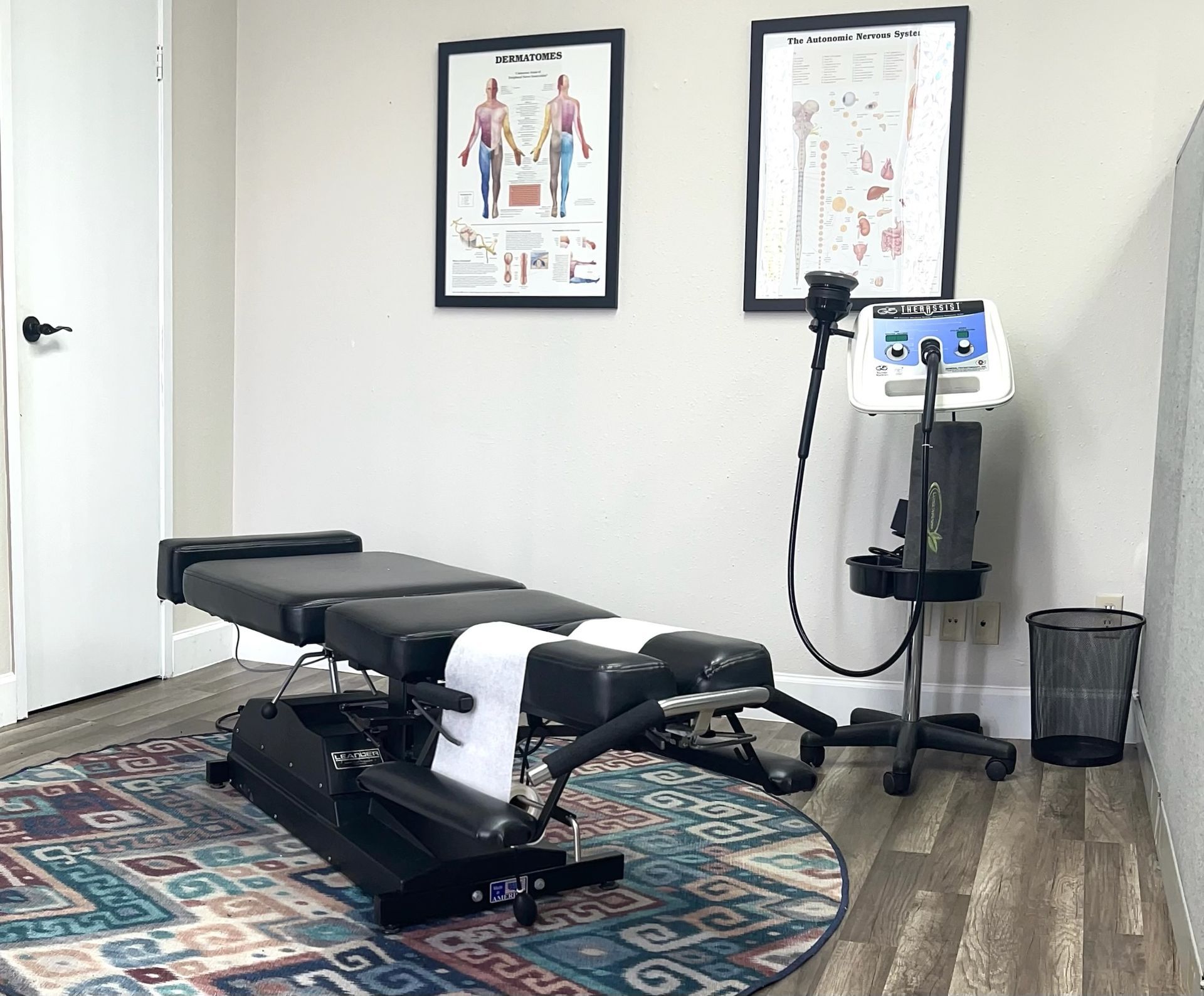
Better movement is not just about stretching more, it is about getting your joints, spine, and muscles working together again.
Mobility and flexibility sound like fitness buzzwords until your back tightens up after a long shift, your neck stops turning comfortably in traffic, or your hips feel stiff just walking across a parking lot in Pasadena. We see this every day, and the good news is that improving how you move is usually very doable with the right plan.
As a Chiropractor focused on function, our goal is not to chase symptoms around. We look for the mechanical reasons your body is moving stiffly, guarding, or compensating, then we build a care plan that restores motion the way your body is designed to move.
If you want more flexibility, it helps to think beyond muscles alone. Joints need to glide, nerves need to communicate clearly, and tissues need to calm down enough to let you move without bracing. That is exactly where chiropractic care and targeted rehab can make a real difference.
Mobility vs flexibility: what you actually need (and why it matters)
Flexibility is your ability to lengthen a muscle or tissue. Mobility is your ability to actively control a joint through its range of motion. Most people in Pasadena who tell us they feel tight actually have a mobility problem first, and the tightness is a protective response.
When a joint is not moving well, nearby muscles often tighten to stabilize it. That can make stretching feel like you are pulling on a stuck seatbelt, plenty of effort, not much change. A Chiropractor approach can help by restoring joint motion so the muscles no longer feel like they have to do all the guarding.
Here is a simple way to think about it. Flexibility is passive range, mobility is usable range. We aim for both, because daily life needs both.
Why you feel stiff in Pasadena: the local patterns we see
Pasadena is full of hardworking routines: industrial work demands, long commutes around the Houston area, repetitive lifting, and weekend projects that turn into surprise workouts. Add in minor fender benders, old sports injuries, or just years of sitting, and stiffness starts to look normal.
In our office, the most common mobility barriers we evaluate include spinal joint restriction, rib and mid back stiffness from posture, hip limitation that stresses the low back, and tight fascia from repetitive strain. For many people, the issue is not one big injury, it is the accumulation of small stresses that quietly reduce motion over time.
Age also plays a role, but it is not the whole story. We work with seniors who move better than people decades younger, and the difference is often consistent joint care, balance work, and a plan that respects the body instead of rushing it.
How chiropractic care improves mobility and flexibility
Chiropractic care supports mobility by improving joint mechanics and calming the surrounding soft tissue response. When joints are restricted or misaligned, movement becomes inefficient. That inefficiency can show up as stiffness, pinching, sharp catches, or a general feeling that you move like a rusty hinge.
A Chiropractor can address this with adjustments that restore motion at specific spinal or extremity joints. When motion improves, your nervous system often stops “downshifting” movement, and muscles can relax enough to lengthen and coordinate again.
We also focus on the tissues that influence movement quality. Muscle tension and fascial restriction can limit motion even when a joint is capable of moving. That is why our plans commonly combine adjustments with soft tissue approaches and guided exercise, so the mobility gains actually hold between visits.
The evaluation: how we find what is blocking your range of motion
Before we recommend care, we start with a detailed evaluation that looks at how you stand, bend, rotate, and breathe. Posture matters, but what matters more is your movement strategy: where you compensate, where you avoid motion, and which joints are doing extra work.
We typically assess spinal alignment and segmental motion, hip and shoulder range, gait patterns, core control, and any red flags that require a different approach. For example, limited hip rotation can overload the low back, and poor thoracic mobility can make your neck overwork just to look left and right.
This is also where we connect your daily life to the mechanics. A warehouse job, driving a lot, or caring for family all create predictable patterns. When we understand the pattern, we can give you a plan that fits your real schedule, not an imaginary one.
What a mobility focused Chiropractor visit can include
Most mobility and flexibility plans are not one technique. We blend tools based on what your body needs and how you respond. Here are common components we may use in your care:
• Spinal and joint adjustments to restore normal joint motion and reduce restriction that limits range
• Low force options, including gentle instrument assisted methods when appropriate for comfort or specific needs
• Myofascial release and soft tissue work to reduce guarding and improve tissue glide around stiff areas
• Kinesiology taping to support movement retraining, reduce strain, or provide feedback for better posture
• Therapeutic exercise and rehab to build endurance, strength, and flexibility so your improvements last
The point is not to do more things. The point is to do the right things in the right order, so your body keeps the progress instead of snapping back to the same stiff baseline.
Therapeutic exercises that make adjustments “stick”
An adjustment can open a door, but exercise helps you walk through it. Mobility improves faster when we pair in office care with a simple home plan that reinforces the new movement.
We often prescribe a combination of mobility drills, flexibility work, and stability training. That may include hip mobility sequences, thoracic rotation drills, core endurance exercises, and gentle resistance training. The goal is not to turn your living room into a gym. We want efficient, repeatable movements you can realistically do.
If you have not exercised in a while, we keep it approachable. A few minutes, a few times per week, done consistently, usually beats an ambitious plan that disappears after four days.
Common conditions where mobility and flexibility improve with chiropractic care
People often start care because of pain, but what they really want is normal movement again. As a Chiropractor, we commonly help patients improve function and range of motion when dealing with:
Low back tightness and sciatica patterns
When the low back is stiff, hips often stop moving, and then the back works even harder. With sciatica like symptoms, we focus on reducing nerve irritation, restoring lumbar and pelvic mechanics, and retraining hip motion so you are not constantly flaring things up.
Neck and shoulder restriction from posture
Forward head posture and tight upper back joints can make your neck feel locked. We work on thoracic mobility, rib mechanics, and shoulder function, not just the neck, because the neck should not have to do everything.
Arthritis and age related stiffness
Arthritis does not mean you are stuck. Gentle techniques, joint motion support, and balance focused rehab can help you move with less effort and less fear of triggering pain. Many patients are surprised by how much range is still available once tissues calm down.
Sports injuries and weekend warrior strain
Mobility and flexibility are major parts of injury prevention. We often see knee, ankle, hip, and shoulder movement limitations that set people up for repeated strain. Restoring motion and strengthening control can reduce re injury risk.
Auto accidents and work related overuse
Even minor collisions can create guarding and altered movement patterns. With work injuries, repetitive stress builds slowly. In both cases, rehab plus chiropractic care aims at the root cause so you are not just “getting by” until the next flare.
What to expect for timeline and progress
Everyone wants to know how long it will take. The honest answer is that it depends on how long the restriction has been there, how consistently we can work together, and how closely you follow the home plan.
Many people notice early wins first: standing straighter, turning the head easier, or feeling less stiff when getting out of a chair. Deeper changes, like better hip mobility, improved balance, and more durable flexibility, usually build over weeks with consistent care.
We also track progress in practical ways, not just “how you feel.” We look at measurable range of motion, movement quality, and how your daily activities are going, like lifting at work, sleeping comfortably, or walking without that tight pull in the back of your leg.
A simple 5 step plan we often use to rebuild mobility
When you want real change, structure helps. Here is a straightforward sequence we commonly follow, adjusted to your situation:
1. Identify the primary restriction points through posture, range of motion, and movement testing
2. Restore joint motion with targeted adjustments and low force techniques when needed
3. Reduce soft tissue guarding with myofascial methods and movement based tissue work
4. Retrain control with therapeutic exercises for stability, endurance, and flexibility
5. Maintain gains with periodic rechecks and a realistic home routine that fits your week
This is the difference between temporary looseness and lasting mobility.
Safety, comfort, and who chiropractic care is for
People often assume you need to be young, athletic, or already flexible to benefit. Not true. We work with active adults, industrial workers, seniors, and athletes, and we choose techniques based on your comfort and health history.
If you are nervous about being adjusted, we can talk through options. A Chiropractor visit should feel clear and collaborative, not mysterious. We explain what we find, what we recommend, and what you can do at home to support your results.
Mobility work should not feel aggressive. Some mild soreness can happen when tissues start moving differently, but the overall trend should be better motion, less guarding, and more confidence using your body.
Take the Next Step
Getting more mobile is not about forcing deeper stretches or pushing through stiffness. It is about restoring normal joint function, reducing tissue tension, and then building strength and control so your body keeps the new range. That is the kind of practical, step by step care we deliver every day in Pasadena.
If you are ready to move with less restriction and more ease, we can help you build a plan that fits your work, your schedule, and your goals at Champion Chiropractic of Pasadena. You will not be left guessing, we focus on clear findings, measurable progress, and a home routine that actually makes sense.
New to chiropractic care? Start your wellness journey with an initial consultation at Champion Chiropractic of Pasadena.