

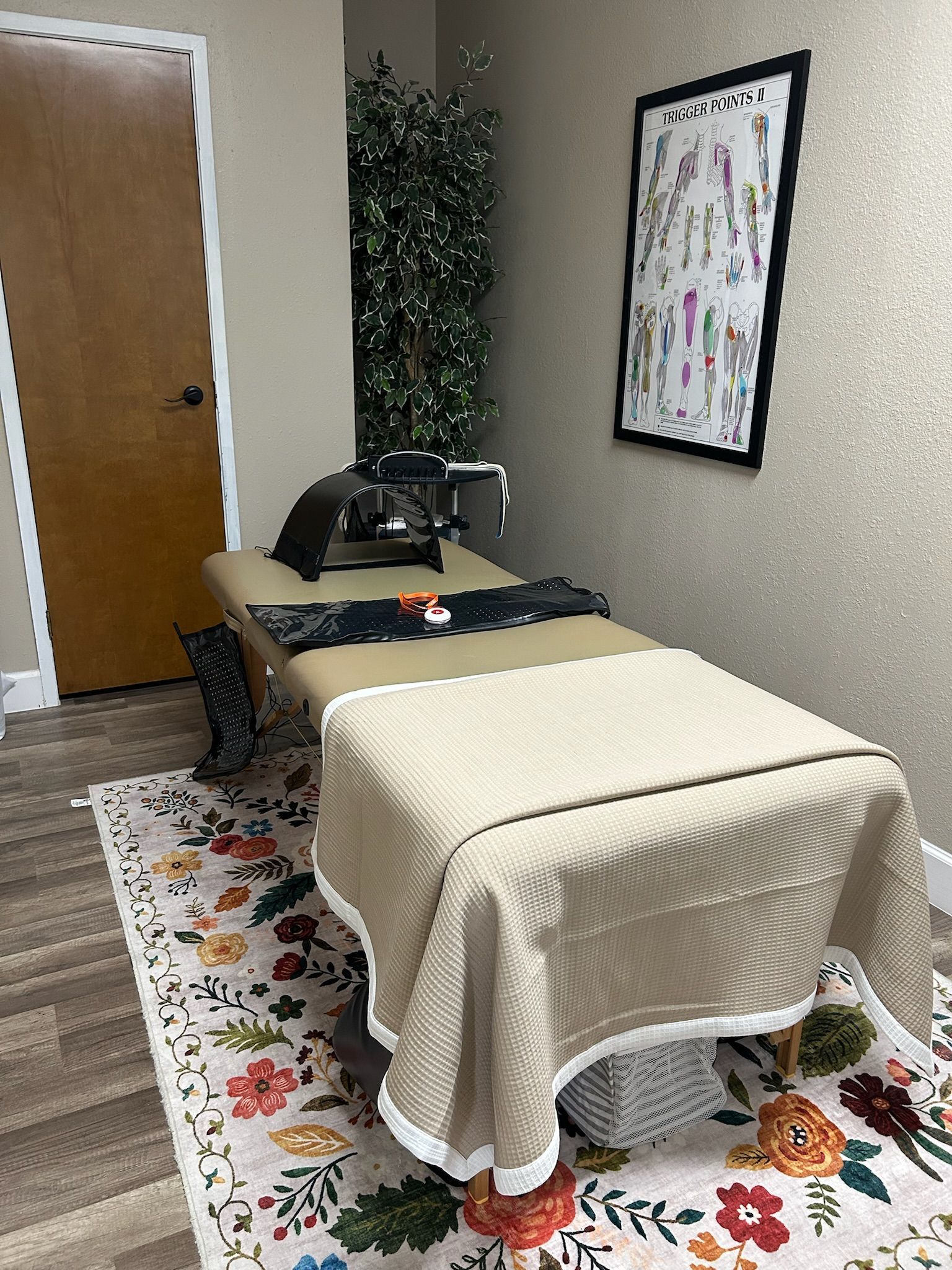
Sciatica can feel relentless, but the right hands-on plan can calm the nerve and help you move like yourself again.
Sciatica is one of those problems that can hijack your whole day. One minute you are fine, and the next you are standing up from a chair and a sharp, electric line of pain shoots from your low back into your hip, leg, or even your foot. When you are dealing with that kind of nerve pain, you usually want two things: a clear explanation and a way forward that does not feel extreme.
In our office, sciatica is a common reason people look for a Chiropractor in Pasadena TX, especially when work, driving, lifting, or long hours on your feet keep triggering the same flare-up. We focus on practical, non-invasive care that aims to reduce nerve irritation and restore healthier movement patterns, not just chase symptoms for a day.
This guide walks you through what sciatica is, why it tends to linger, how chiropractic care can help, and what you can do at home to support faster, steadier relief.
Understanding sciatica and why it hurts so much
Sciatica is not a diagnosis by itself as much as it is a description of a pattern. The sciatic nerve is the largest nerve in the body, and when something irritates or compresses the nerve roots in the low back, pain can radiate down the leg. That is why you might feel burning, tingling, numbness, cramping, or weakness in a place that seems far away from your spine.
Most people describe sciatica as one-sided, but it can change over time. It often spikes with sitting, bending, coughing, or lifting, and it may improve when you change positions or walk a little. The tricky part is that the nerve is sensitive. Once it is aggravated, even small mechanical stress can keep it simmering.
Common causes we see in Pasadena
Sciatica can start after an obvious event, like lifting something heavy, or it can build slowly from repetitive strain. Pasadena is full of physically demanding jobs and long commutes, so we often see patterns tied to real life, not textbook perfection.
Here are common drivers of sciatica we evaluate for:
- Disc irritation or herniation that increases pressure on nerve roots
- Joint restrictions in the lumbar spine or pelvis that change how you load your hips
- Piriformis syndrome, where tight deep hip muscles irritate the sciatic nerve
- Posture and workstation strain that keeps the low back in flexion for hours
- Old injuries that left you moving around pain rather than through it
Sciatica can affect about 40 percent of adults at some point, and while every case is different, the theme is consistent: when the spine and pelvis stop moving well, nerves do not like it.
When sciatica is a “watch closely” situation
Most cases respond well to conservative care, but we also want you to recognize signs that require urgent medical attention. If you have new loss of bowel or bladder control, significant progressive weakness, numbness in the groin area, or severe unrelenting pain after major trauma, do not wait. Those symptoms can indicate a serious condition that needs immediate evaluation.
For everything else, the sooner you address the mechanics and inflammation, the better your odds of avoiding the cycle of flare-up, rest, and re-injury.
How a Chiropractor approaches sciatica relief
A Chiropractor looks at sciatica through the lens of movement and nerve function. When certain spinal segments, pelvic joints, or surrounding tissues are restricted or irritated, the body compensates. Those compensations can add stress to discs, joints, and muscles, and that can keep nerve symptoms alive.
Our goal is to improve joint motion, reduce mechanical compression, calm protective muscle tension, and help you rebuild confidence in everyday movement. That might include spinal adjustments, decompression-style techniques, soft tissue work, supportive therapies, and specific exercises.
We also pay attention to the “why now” part of your story. Maybe your workload changed, maybe you started wearing different boots, maybe you have been driving more, or maybe sleep has been rough and recovery is lagging. Those details matter.
Techniques we may use for sciatica
Not every sciatica case should be treated the same way. Some people need gentle decompression, some need targeted joint work, and some need a mix because the nerve is irritated and the surrounding tissues are guarding hard.
We may also integrate e-stim for pain modulation, orthotics for lower-body alignment support, exercise therapy to stabilize the area, and Graston technique for stubborn soft tissue restrictions.
What your first visit looks like
People often ask whether they will get treated on the first visit. In most cases, yes. Our initial visit typically runs about 30 to 45 minutes and includes consultation, a focused exam, and an adjustment, unless we need imaging first. We keep the process straightforward because when you are in pain, a long, confusing appointment is the last thing you need.
To make your visit smoother, we recommend:
- Wear comfortable clothing that lets you move easily
- Bring your ID and insurance information if you plan to use it
- Be ready to describe what triggers your pain and what eases it
- Tell us about numbness, tingling, weakness, or sleep disruption, even if it feels minor
We also offer bilingual support, so if Spanish is more comfortable for you, we can meet you there.
How long visits take and how plans are personalized
Follow-up sessions are usually shorter, commonly 5 to 20 minutes per area, depending on what we are addressing that day. Sciatica care is rarely one-size-fits-all. Some people need a short burst of care to calm an acute flare, while others need a longer plan because the problem has been brewing for months or years.
When we build your plan, we consider:
- How long symptoms have been present
- Whether pain is traveling below the knee, which often signals higher nerve involvement
- Your job demands, lifting patterns, and daily positions like driving or sitting
- Your ability to do home exercises consistently
- Your response to early adjustments and therapies
If you are trying to get through a work week without feeling like your leg is on fire by lunchtime, we understand that urgency.
What sciatica improvement usually feels like
Sciatica recovery is not always perfectly linear. Many people notice a change in intensity first, then a shift in where symptoms live. For example, leg pain may reduce or centralize toward the low back, which can be a positive sign in many cases. You might also notice you can sit longer, stand up straighter, or walk with less guarding.
We watch for functional wins, not just pain ratings:
- Standing up from a chair without bracing
- Sleeping longer before symptoms wake you up
- Walking without limping or a tight hip hitch
- Lifting light objects without a flare the next day
If you have had sciatica for a while, those small changes are not small at all.
Practical home habits that support chiropractic care
Chiropractic care works best when your day-to-day habits stop re-irritating the nerve. You do not need a perfect routine, but you do need a few dependable supports, especially in the early phase.
Here is a simple set of habits we often recommend:
- Change positions often, even if it is just standing for 60 seconds every 30 to 45 minutes
- Use a small lumbar support in the car to reduce sustained flexion
- Walk gently if you can, because motion can calm the nervous system
- Avoid deep bending and twisting early on, especially combined with lifting
- Use ice or heat based on what settles symptoms, then stick with what works
We also teach targeted exercises in the office so you are not guessing from random videos. The right move at the wrong time can be frustrating.
Why non-invasive sciatica care is trending in 2024 and 2025
More people are looking for drug-free, non-invasive approaches for sciatica, and that makes sense. Nerve pain can be intense, but many cases respond to mechanical and functional care that restores motion and reduces compression. A modern Chiropractor approach often blends manual adjustments with instrument-assisted techniques and supportive therapies for comfort and precision.
We have seen growing interest in tools like the Activator instrument because it offers a controlled, low-force option when you are sensitive or prefer minimal twisting. At the same time, flexion-distraction remains a practical choice for disc-related patterns because it is gentle and decompressive.
The overall shift is toward multimodal care that matches your presentation, instead of forcing every body into the same technique.
Sciatica FAQs we hear every week
Will I get treatment on my first visit?
In most cases, yes. We typically complete your consultation, exam, and first adjustment the same day unless imaging is needed first.
Is chiropractic safe for sciatica?
For many people, yes. Chiropractic care focuses on improving joint motion and reducing mechanical stress that can contribute to nerve irritation. We also tailor techniques to your comfort level.
Do you take insurance?
We accept insurance options and also offer CareCredit. If you want specifics for your plan, we can confirm coverage details when you call.
What if my sciatica is from piriformis syndrome?
That is a common pattern. In those cases, we often combine joint work with soft tissue techniques and exercises that reduce hip tension and improve pelvic mechanics.
How many visits will I need?
It depends on how long symptoms have been present, how intense they are, and how your body responds early on. We will explain a reasonable plan and adjust it as you improve.
Take the Next Step
If you are looking for a Chiropractor who takes sciatica seriously, our approach is simple: find what is driving the nerve irritation, restore healthier motion, and give you a plan that fits your real routine in Pasadena. When care is personalized and consistent, sciatica usually becomes less mysterious and a lot more manageable.
You can get started with same-day help in many cases, and we will explain what we find in plain language so you know what we are doing and why. At Champion Chiropractic of Pasadena, we focus on practical relief strategies and the kind of follow-through that helps symptoms stay quieter, not just temporarily distracted.
Support your spine, joints, and overall well-being by
starting a treatment plan at Champion Chiropractic of Pasadena.